

Blog
Why Yoga Teachers Use a Japa Mala for Meditation
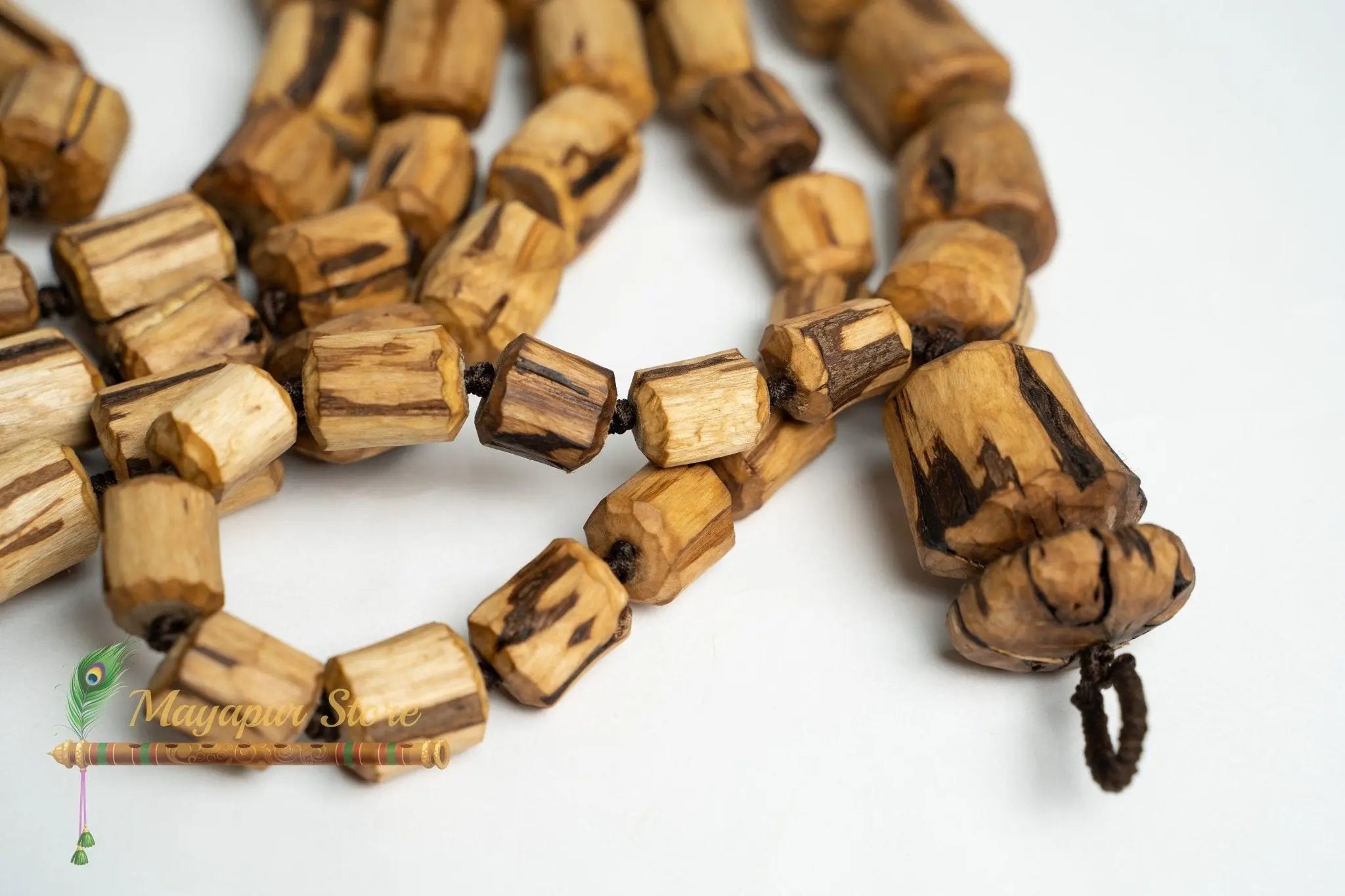
Walk into almost any yoga studio or meditation class today and you’ll likely spot a mala on someone’s wrist or draped around their neck. What started as a devotional tool within Vaishnava and broader Vedic tradition has become a staple of modern meditation practice, and for good reason. Here’s why yoga teachers reach for a japa mala, and how to use one whether you’re chanting a mantra or simply counting breaths.
What a Japa Mala Actually Does
A japa mala is a string of 108 beads, traditionally used to count repetitions of a mantra. You move one bead per repetition, working around the strand until you return to the larger “meru” bead at the top. That structure is exactly what makes it useful beyond a purely devotional context. It gives meditation something tactile and countable, so the mind has an anchor instead of drifting.
- A physical anchor for a wandering mind — moving a bead between your fingers gives restless attention somewhere to go
- A built-in practice length — 108 repetitions creates a natural, complete session without needing a timer
- Portable ritual — a mala travels easily, making it simple to keep a consistent practice on retreat, while traveling, or between classes
Why Material Matters
Not all malas are equal for this purpose. Natural Tulsi wood beads are lightweight and slightly textured. They sit comfortably in the hand through a full round of repetitions, unlike heavier stone or glass alternatives that can feel distracting over time. For teachers introducing students to mantra practice, a natural-material mala also carries an authenticity that plastic versions simply don’t.
Bringing a Mala Into a Yoga or Meditation Practice
You don’t need a specific mantra tradition to use a japa mala meaningfully. Many teachers introduce it simply as a counting tool for breath awareness, a single word repeated silently, or a personal intention. The structure works regardless of the words. For students drawn toward the practice’s roots, the mala also opens a door into mantra meditation as it’s traditionally practiced within Vaishnava and broader yogic tradition.
A Note on Where It Comes From
The malas we handcraft are made from genuine Tulsi wood by artisans in Mayapur Dham, the birthplace of the sankirtan and mantra-chanting tradition this practice descends from. Whether you’re using it in a devotional context or simply as a meditation tool, it’s the same lineage of craft either way.
Frequently Asked Questions
Do I need to be Hindu or a devotee to use a japa mala?
No. Japa malas originate in Vedic and Vaishnava devotional practice, but they’re widely used today by yoga teachers and meditation practitioners of any background as a simple, effective counting and focus tool.
How many beads does a meditation mala have, and why?
Traditional japa malas have 108 beads plus one larger “meru” bead. Together they give a complete, countable round of repetitions for a mantra, word, or breath cycle.
What’s the best mala material for meditation?
Natural materials like Tulsi wood are lightweight and comfortable to hold through a full round. They’re also the traditional choice within the mantra-chanting lineage the practice comes from.