Blog
How to Identify an Original Tulsi Japa Mala (vs. Imitations)
If you’ve shopped for a Tulsi japa mala online, you’ve probably noticed something: half the stores selling them have the word “original” in their name. That’s not an accident — it’s because the market is full of imitations, and devotees know it. Here’s what actually separates a genuine, original Tulsi japa mala from a substitute, so you know exactly what you’re buying.
What Real Tulsi Wood Looks and Feels Like
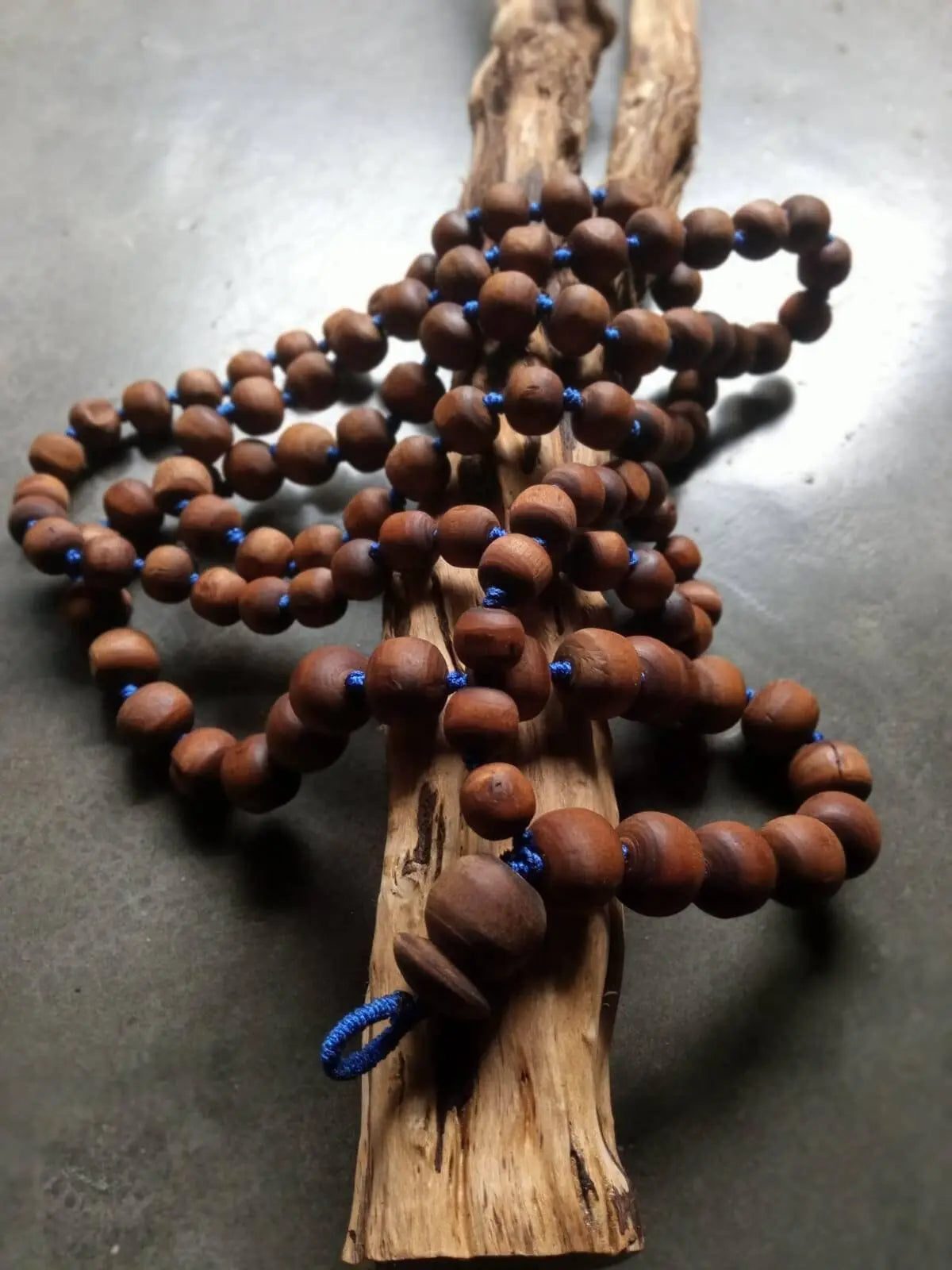
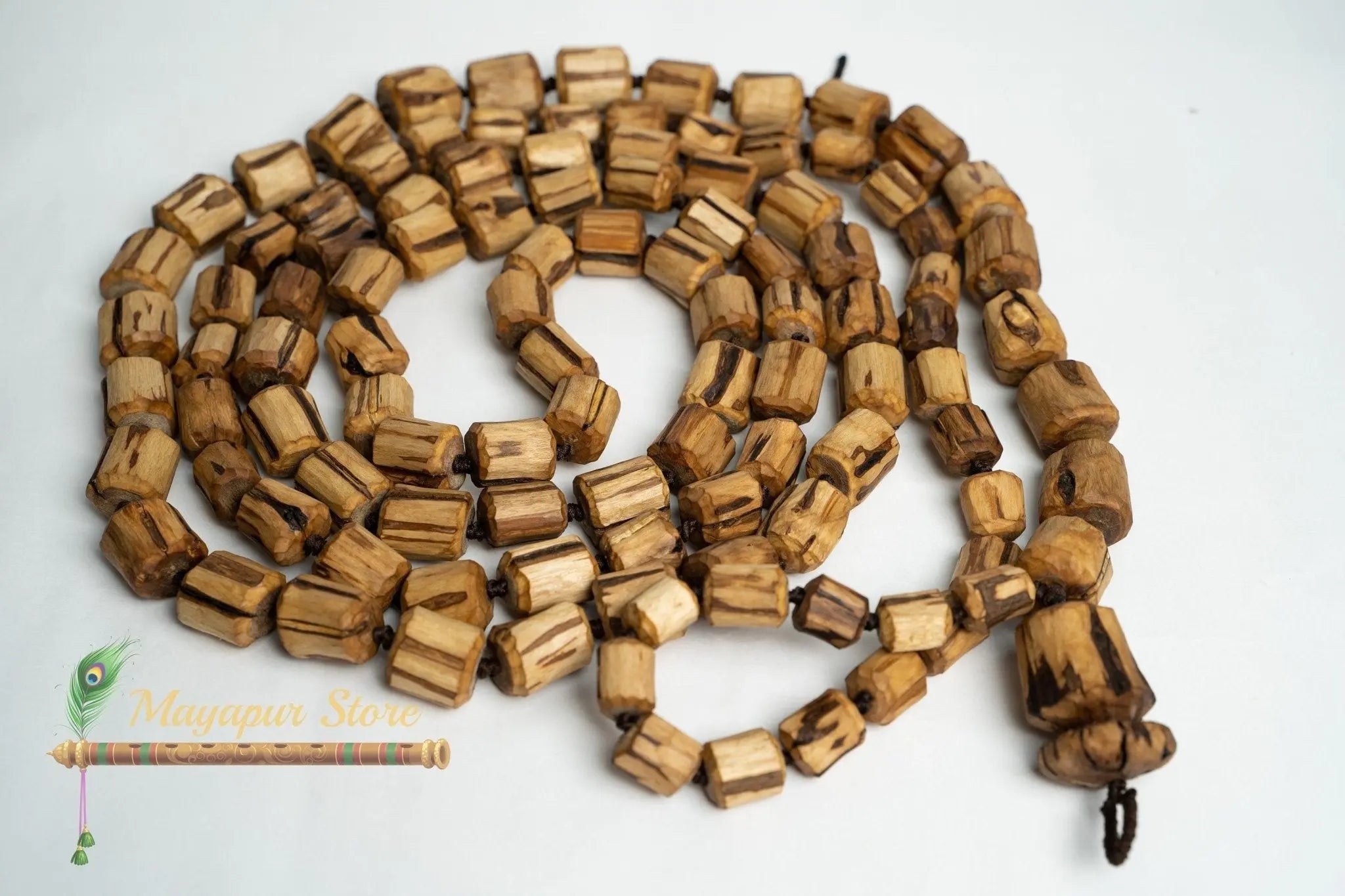
Genuine Tulsi beads come from the wood of the sacred Tulsi plant (Ocimum tenuiflorum), holy to Vaishnavas as a form of devotion itself. A few things to check:
- Weight — Tulsi wood is light and slightly porous, noticeably less dense than sandalwood or plastic beads made to resemble it.
- Color — A natural tan to light brown, often with visible grain and small natural variations bead to bead. Perfectly uniform, glossy beads are a red flag for dyed or synthetic material.
- Scent — Genuine Tulsi carries a faint, natural woody sweetness, especially when warmed slightly by hand. A strong artificial fragrance usually means someone treated it to disguise a different material.
- The knots — Artisans hand-knot traditional japa malas between each bead. This isn’t decorative — it protects the beads from friction wear and shows careful, traditional construction rather than mass production.
Why an Original Tulsi Japa Mala’s Sourcing Matters
People typically associate Tulsi malas with two regions: Vrindavan, where Radha and Krishna’s pastimes took place, and Mayapur, birthplace of Lord Chaitanya Mahaprabhu. These are twin holy dhams of the same Gaudiya tradition. What matters isn’t which of the two a mala comes from, but whether it genuinely comes from either at all. Sellers manufacture a large share of what they sell as “original Tulsi mala” online far from either place, and simply label it to sound authentic.
How to Verify an Original Tulsi Japa Mala Before You Buy
- Ask the seller directly where and how the mala is made — a store with nothing to hide will answer specifically, not vaguely.
- Look for photos or descriptions of the actual sourcing and craft process, not just the finished product.
- Be wary of prices that seem too low for hand-knotted, naturally sourced beads — genuine Tulsi malas take real time to make.
How Mayapurstore Sources Ours
Artisans working in and around Mayapur Dham handcraft every Tulsi mala we sell. They hand-select and hand-knot each one rather than mass-producing it. We check each mala for weight, color, and knotting before listing it, so what you receive matches what we describe here. Browse our original Tulsi japa mala collection or explore the full shop for more devotional items.
Frequently Asked Questions
How can I tell if my Tulsi japa mala is original or fake?
Check weight (genuine Tulsi is light), color (natural tan with grain, not uniform gloss), and scent (a faint natural sweetness rather than strong artificial fragrance). Hand-knotting between beads is also a strong sign of traditional, careful craftsmanship.
Does it matter if a Tulsi mala is from Mayapur or Vrindavan?
Both are sacred sites within the same Gaudiya Vaishnava tradition. What matters most is genuine sourcing and craftsmanship — not which of the two dhams it comes from.
Why are Tulsi malas more expensive than plastic or synthetic versions?
Artisans naturally source genuine Tulsi wood and hand-knot it bead by bead, which takes real time and skill compared to machine-made synthetic alternatives.