
Blog
Tulsi Kanthi Mala: Meaning, How to Wear It, and Care Guide
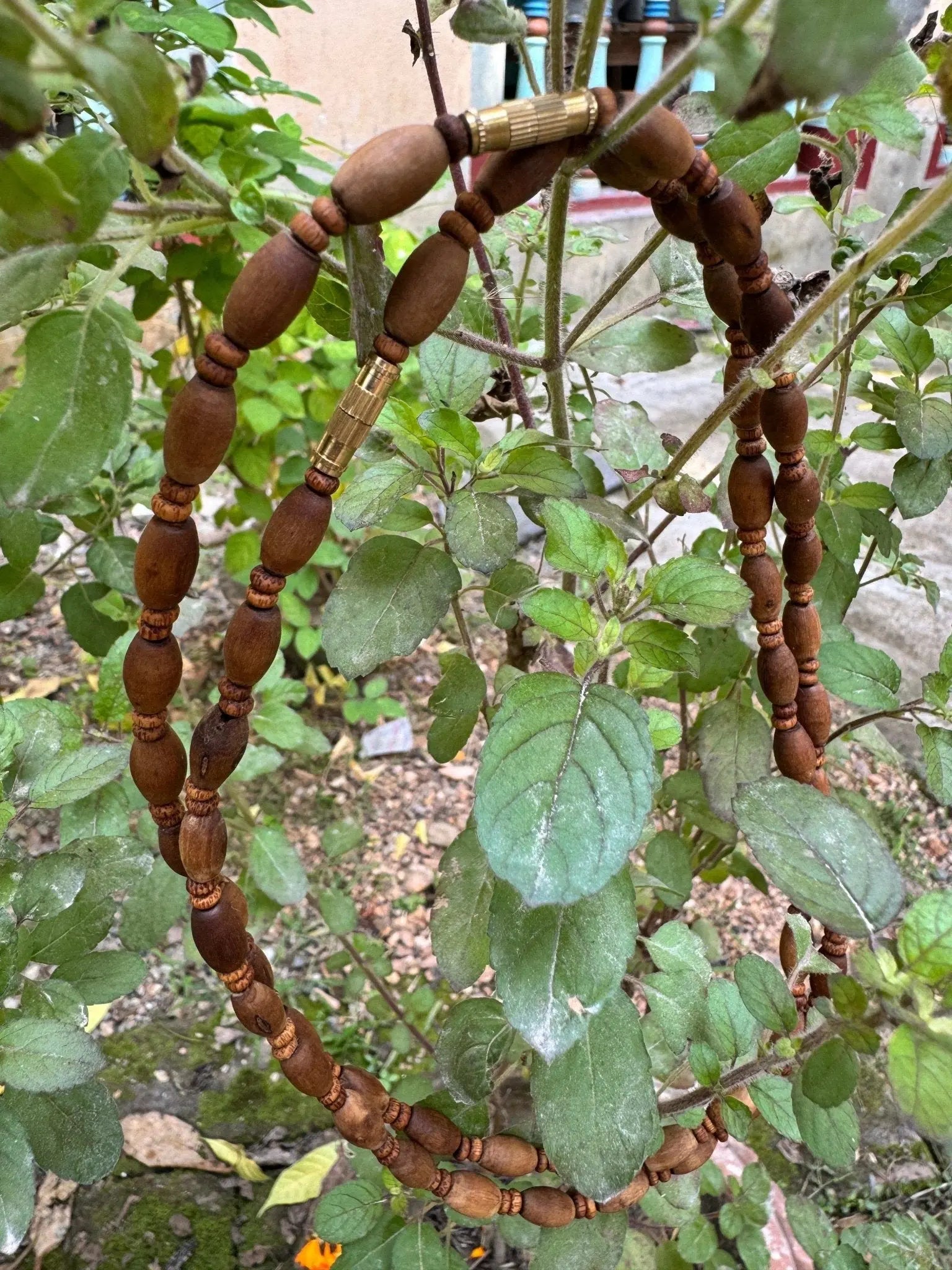
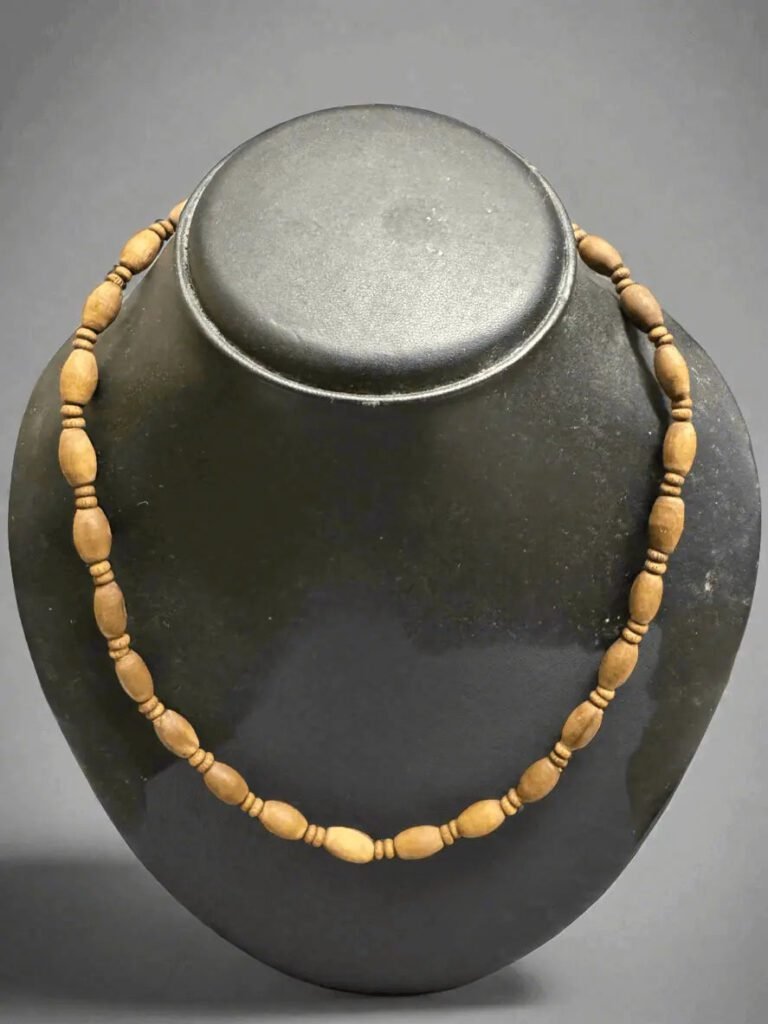
A Tulsi kanthi mala is one of the most recognizable outward signs of a Vaishnava devotee. Devotees wear this simple strand of Tulsi wood beads around the neck, close to the heart, every single day. A japa mala differs — devotees actively use it to count mantras. A kanthi mala instead stays on continuously as a mark of devotion and identity. Here’s what it means, how to wear it, and how to care for one so it lasts.
What Makes This Style Different
“Kanthi” simply means “of the neck.” A japa mala uses 108 beads plus a meru bead, strung for counting. A kanthi mala forms a shorter, snugger strand instead — single or double, sized to sit close against the throat. Both use the same sacred Tulsi wood, but they serve different purposes. One works as a tool for practice. The other stays on as a constant, quiet reminder.
Single Strand vs. Double Strand
- Single strand — the traditional, most common form; devotees wear it daily as a marker of their connection to Krishna consciousness
- Double strand — slightly more substantial; some devotees choose it for a fuller look, or simply for personal preference. The meaning stays the same either way
Neither form is “more correct” — the choice comes down to personal or community tradition.
How to Wear a Kanthi Mala
Devotees traditionally wear it every day, close to the neck, through all daily activities. It stays with you instead of waiting in a drawer for special occasions. Some devotees replace their kanthi mala periodically, since beads naturally wear down from years of daily use. Others keep the same strand for life. Both are common practice.
Caring for It Day to Day
- Keep it dry when possible. Tulsi wood is porous, so prolonged soaking — swimming, long showers — wears the beads faster. Daily life is fine; just avoid submerging it deliberately
- Let it age naturally. The wood darkens and smooths over years of wear. Many devotees see this as adding to its meaning, not detracting from it
- Re-string it if a strand wears through. This is normal after long daily use, and most beads can go on a new string rather than needing replacement
Choosing Your Kanthi Mala
You’ll wear it daily and visibly, so most devotees choose based on bead size and strand length. The right fit sits comfortably at the neck. If you’re unsure which size or strand count is right for you, reach out to us before ordering. We’re happy to help you choose. Browse our tulsi kanthi mala collection or explore the full shop for more devotional items.
Frequently Asked Questions
What’s the difference between a kanthi mala and a japa mala?
A japa mala (108 beads + meru bead) helps you count mantra repetitions during chanting. A kanthi mala is a shorter strand that stays around the neck continuously as a daily mark of devotion.
Do I need to remove my kanthi mala for daily activities?
No — devotees wear it continuously, all day, every day. Just avoid prolonged soaking, since Tulsi wood is naturally porous.
Can anyone wear a Tulsi kanthi mala, or only initiated devotees?
Gaudiya Vaishnava devotees traditionally wear Tulsi. Anyone who feels called to the practice can wear it too, as an expression of devotion.